Wind power, definition
A wind turbine is a device that transforms the kinetic energy induced by the wind into electrical power. And in this field, two main categories compete…
Small wind turbines for communities, businesses…
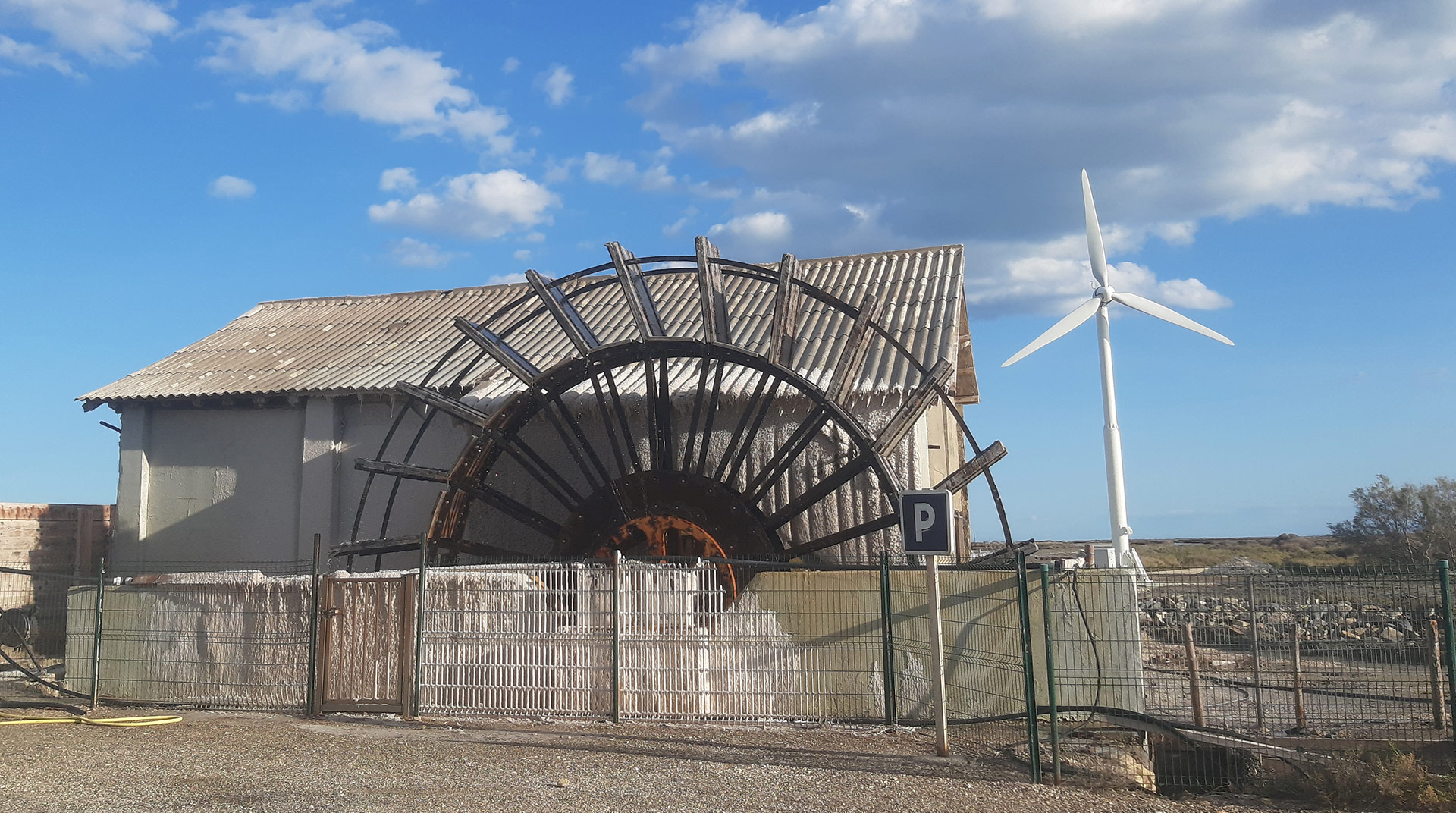
Small wind turbines, also known as micro-generation , are used to meet individual energy needs, as well as the needs of small and medium-sized enterprises or communities, as an alternative or supplement to electricity supplied by the national grid. Power outputs range from less than 1 kW to 300 kW. The smallest wind turbines can produce as little as 50 W, enough to power, for example, a boat, a caravan, or a refrigeration unit.
Commercial wind turbines, wind farms…
Small-scale wind power is thus contrasted with large-scale commercial wind turbines such as those found in wind farms , each with much greater electricity production capacities.
2 domestic wind turbines
For residential use, wind turbines are available. Their blades have diameters ranging from 1.5 to 3.5 meters and produce 1 to 10 kW at their optimal speed. Some have been designed to be particularly lightweight—for example, 16 kg—allowing for high sensitivity even to slight wind movements and excellent responsiveness to the typical gusts found in urban environments. They can operate at low wind speeds, but generally, small wind turbines require a minimum wind speed of four meters per second. They are also easy to install, much like television antennas. Furthermore, they are known, and some are certified, to be inaudible, even one meter below the turbine.
The majority of wind turbines used in small wind power are traditionally horizontal axis wind turbines , however vertical axis wind turbines are an expanding market in the world of small wind power .
Generators for small wind power are three-phase alternating current generators, and the trend is to use three-phase induction.
Wind turbines are often mounted on a tower to elevate them above any nearby obstacles. A basic rule is that wind turbines should be located 9 meters above anything within a 150-meter radius. The best locations are those far from any significant obstruction. Experimental measurements have shown that the loss of efficiency is extremely significant when obstacles interfere between the turbine and the wind blowing towards it. However, it is possible to model a future installation to estimate its efficiency.
the average wind speed blowing there and the levels of turbulence that can be expected, taking into consideration the size, shape, and distance of all obstacles influencing the planned location.
A small wind turbine can be installed on a roof . The issues to consider are the roof’s strength, vibrations, and turbulence caused by the roof’s edge. A small roof generally creates turbulence that negatively impacts the turbine, resulting in poor performance, especially in urban areas.
See also our wind turbines and our services.