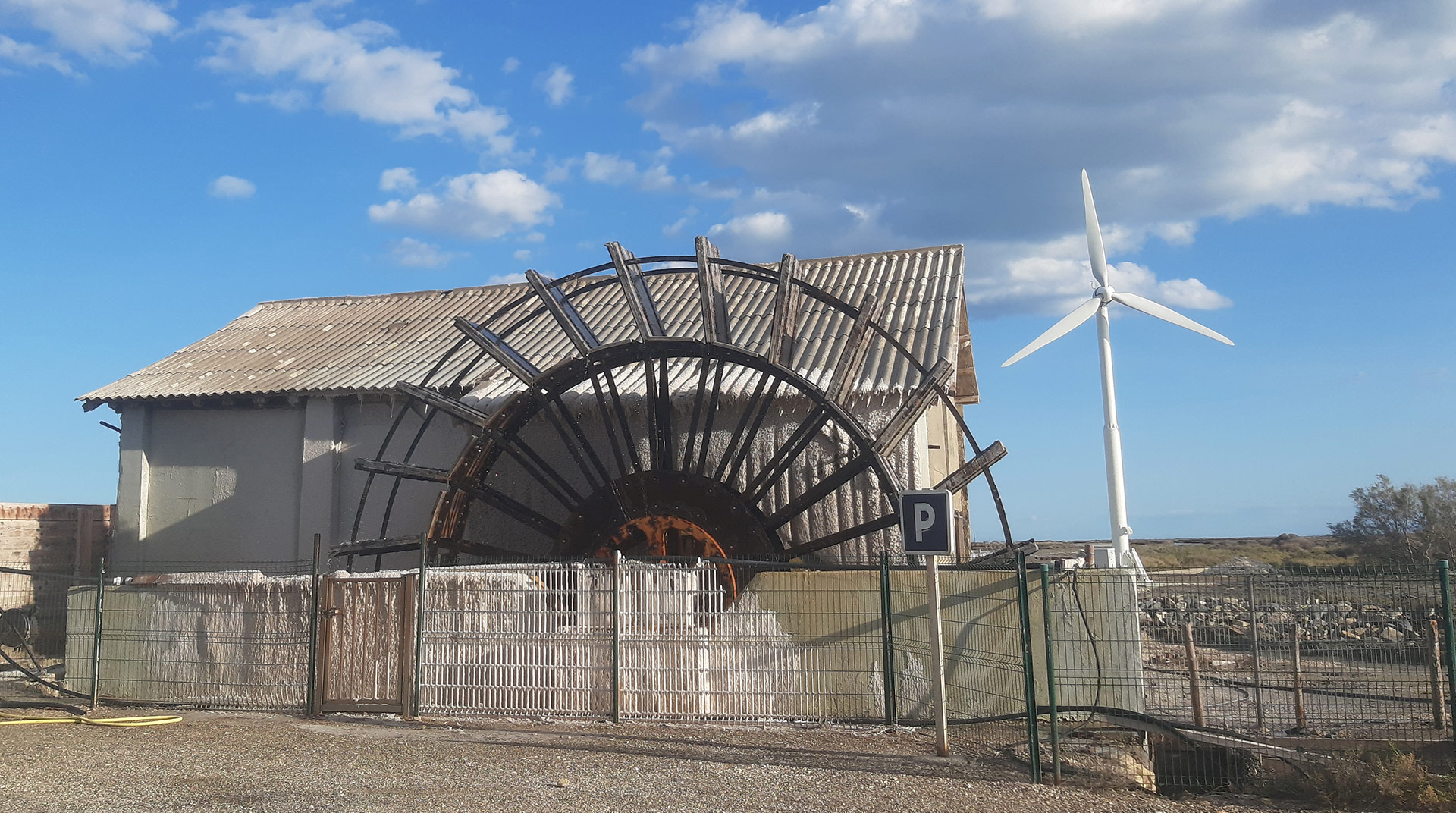
 For optimal profitability, it is essential to study the environment before installing the wind turbine.
The small wind power industry
Generating electricity from the wind is far less simple than it first appears. As an experienced wind turbine installer , and like so many others who have installed small wind turbines , even on an individual home scale, we know that it is quite different, and that it is always a real challenge.
And this is the challenge that the small wind power industry faces every day.
Reliability and robustness over time
If you are seriously considering installing a wind turbine to generate electricity , carefully plan your wind energy project as concretely as possible. When done properly, wind power generation , even on a scale limited to your home, can produce a clean kilowatt-hour in a highly satisfactory way. However, the challenge we are discussing is very real. The long-term reliability and robustness of a wind turbine installation are difficult to achieve.
In particular, the wind turbine rotor must be raised high enough on a mast for energy production to be significant ; and it is not easy to find a company qualified enough to install and maintain a well-designed wind power project over the long term.
Tips for installing wind turbines
We advise you first to carefully consider your motivations and needs, and to fully understand the issues involved in installing a domestic wind turbine system . People who turn to wind energy most often do so for the following reasons: environmental concerns , the intention to reduce energy costs , a desire for energy independence , or simply an interest in wind technology in general. One or more of these reasons will lead to different choices regarding the wind turbine installation . Carefully consider your expectations and goals.
Energy independence
When a domestic wind turbine system is located in the right place and installed according to best practices, it produces, once again, energy that is far cleaner than that supplied by large, traditional energy providers. Unlike the latter, this energy does not depend on polluting energy sources such as coal or nuclear power, as we know, and this is one of the main motivations for switching to wind power . However, this energy source must be profitable over the years, even decades, for this investment to be worthwhile in the long term. A low cost per kilowatt-hour requires a productive and resilient wind turbine installation : this is the challenge of installing small-scale domestic wind turbines.
Domestic wind power and profitability
The question of profitability hinges first and foremost on the proper siting of the wind turbine . To the question ” Where should I install my wind turbine ?”, the answer seems as simple as can be: ” Wherever there’s wind! ” But in detail, the question of wind turbine siting is considerably more complex.
There are many constraints that must be met for a geographical area to be suitable for the installation of wind turbines .
First, the ground must be able to withstand the mechanical stresses that the wind turbine mast will be subjected to. Second, the overall topography of the potential turbine site is important to consider. Is there a forest or a cornfield nearby? Are there highways? Are there mountains? Because all atmospheric friction and turbulence are considered detrimental to the energy efficiency of wind turbines . Are the winds consistent throughout the year? Neither too strong nor too weak?
The operating range is known: between 11km/h and 90km/h. Studies also show, for example, that wind speed increases faster in cities and forests than on plains or over bodies of water.
In short, installing a wind turbine requires a serious study by a professional, without which any project will be a technical and financial failure; and not just anyone can be a professional.
Also read: